WHO Mask Study Seriously Flawed

WHO Mask Study Seriously Flawed

Published: Sept. 9, 2020
Updated: Sept. 18, 2020
Share onTwitter / Facebook
Select LanguageCzechDutchEnglishFrenchGermanGreekHebrewHungarianItalianJapaneseKoreanPolishPortugueseRussianSpanishSwedishTurkishPowered by

The WHO-commissioned meta-study on the effectiveness of facemasks, published in the medical journal The Lancet in June 2020, has been instrumental in shifting global facemask policies during the covid pandemic. However, the meta-study, which claimed a risk reduction of 80% with facemasks, is seriously flawed on several levels and should be retracted.
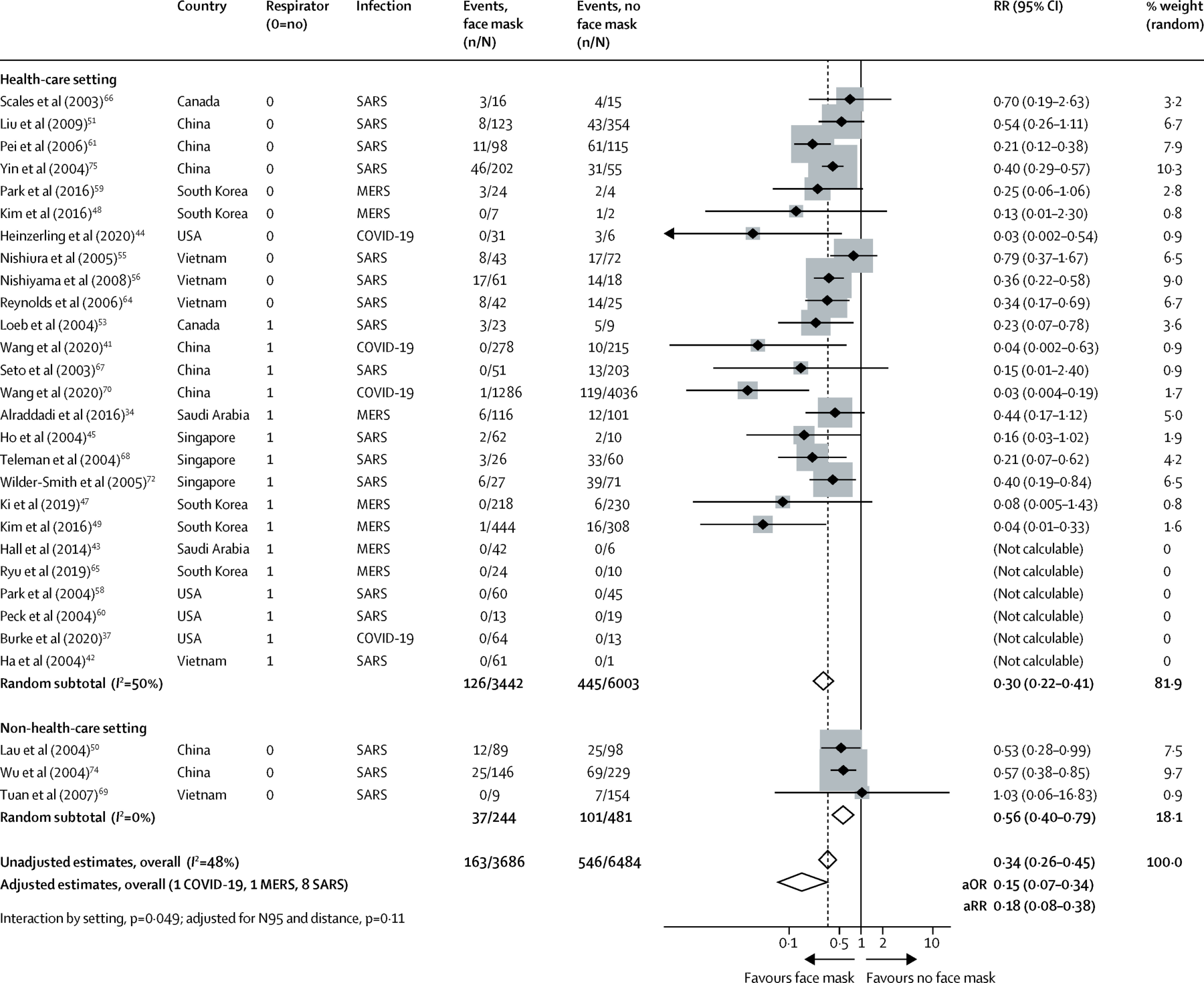
Results of WHO meta-study on facemasks (The Lancet)

A. General flaws

  1. Of the 29 studies analyzed by the Lancet meta-study, seven studies are unpublished and non-peer-reviewed observational studies that should not be used to guide clinical practice according to the medRxiv disclaimer (references 3, 4, 31, 36, 37, 40 and 70; see table above).
  2. Of the 29 studies considered by the meta-study, only four are about the SARS-CoV-2 virus; the other 25 studies are about the SARS-1 virus or the MERS virus, both of which have very different transmission characteristics: they were transmitted almost exclusively by severely ill hospitalized patients and not by community transmission.
  3. Of the four studies relating to the SARS-CoV-2 virus, two were misinterpreted by the Lancet meta-study authors (refs. 44 and 70), one is inconclusive (ref. 37), and one is about N95 (FFP2) respirators and not about medical masks or cloth masks (see detailed analysis below).
  4. The Lancet meta-study is used to guide global facemask policy for the general population. However, of the 29 studies considered by the meta-study, only three are classified as relating to a non-health-care (i.e. community) setting. Of these three studies, one is misclassified (ref. 50, relating to masks in a hospital environment), one showed no benefit of facemasks (ref. 69), and one is a poorly designed retrospective study about SARS-1 in Beijing based on telephone interviews (ref. 74). None of these studies refer to SARS-CoV-2.
  5. The authors of the Lancet meta-study acknowledge that the certainty of the evidence regarding facemasks is “low” as all of the studies are observational and none is a randomized controlled trial (RCT). The WHO itself admitted that its updated facemask policy guidelines were based not on new evidence but on “political lobbying”.

In view of these shortcomings, University of Toronto epidemiology professor Peter Jueni called the WHO study “methodologically flawed” and “essentially useless”.

B. Study misinterpretations

As mentioned above, several studies have been misinterpreted by the authors of the meta-study. All of the misinterpretations resulted in falsely claiming or exaggerating a benefit of facemasks. In the following, only the four studies relating to SARS-CoV-2 are reviewed. (HCW: health care worker)

  1. Heinzerling et al. (ref. 44): The meta-study claims that 0 of 31 HCW wearing a facemask and 3 of 6 HCW not wearing a facemask got infected. This is not correct: the study showed that 0 of 3 HCW wearing a facemask and 3 of 34 HCW not wearing a facemask got infected. This result was not statistically significant (p=0.73). Moreover, of the 3 HCW who got infected, one reported wearing a facemask “most of the time”, but the meta-study classified this HCW as “not wearing a facemask”.
  2. Wang et al. (ref. 41): This study, which did show a benefit of facemasks, was about N95 (FFP2) respirators in a health-care setting, not about medical masks or cloth masks.
  3. Wang et al. (ref. 70): The meta-study claims that 1 of 1286 HCW wearing a facemask and 119 of 4036 wearing “no facemask” got infected. This is not correct: according to the study, 78.3% (94/120) of infected HCW were in fact wearing a surgical mask, and only 20.8% (25/120) did not wear any mask when exposed to the source of infection. The “1 of 1286 HCW” mentioned in the meta-study refers to HCW wearing an N95 (FFP2) respirator, not a medical or cloth mask.
  4. Burke et al. (ref. 37): This study had no results relating to the use of facemasks.

Non-covid studies were also misinterpreted or misrepresented by the the Lancet meta-study authors. For instance, in the case of the non-covid study with the allegedly biggest impact of masks (Kim et al. (ref. 49) about N95 respirators in a hospital with MERS patients), the meta-study authors incorrectly mixed serological and PCR results, again exaggerating the benefit of (N95) masks. The actual results of the Kim et al. study were not statistically significant (p=0.159).

Update: A US researcher reviewed all 29 studies and found numerous additional mistakes.

C. Studies relating to “social distancing”

In an additional section, the WHO meta-study evaluated studies on the benefit of “social distancing” measures. However, several independent experts have shown that this section is seriously flawed, too, as the authors again misinterpreted several studies and made several statistical errors. As with the studies on facemasks, all of these mistakes resulted in falsely claiming or exaggerating a benefit of “social distancing” measures.

For more information on this section, see PubPeer (and links therein) and the CEBM review.

Conclusion

As shown in this analysis, the WHO-commissioned meta-study on the effectiveness of facemasks and social distancing, published in The Lancet, is seriously flawed and should be retracted. Health authorities may want to reconsider their covid policy guidelines.

See also: Are face masks effective? The evidence.

∗∗∗

Original study: Chu et al., Physical distancing, face masks, and eye protection to prevent person-to-person transmission of SARS-CoV-2 and COVID-19: a systematic review and meta-analysis, The Lancet, June 2020, Volume 395, Issue 10242, P1973-1987.

.

Coronavirus Covid-19 Research History – Index

.
Specific Issues Index

from Creating Better World

Posted in coronavirus, Covid-19, pandemic | Tagged , , , , , , | Leave a comment

Danish Mask Study: No Benefit

Danish Mask Study: No Benefit

Published: November 18, 2020
Share onTwitter / Facebook
Select LanguageCzechDutchEnglishFrenchGermanGreekHebrewHungarianItalianJapaneseKoreanPolishPortugueseRussianSpanishSwedishTurkishPowered by

The Danish randomized controlled trial on the real-world efficacy of face masks against coronavirus infection – the first of its kind – has now been published in the Annals of Internal Medicine. As expected, the trial found no statistically significant benefit of wearing a face mask. The study used “high-quality surgical masks with a filtration rate of 98%”.

For political reasons, three major journals had previously refused to publish the Danish study.

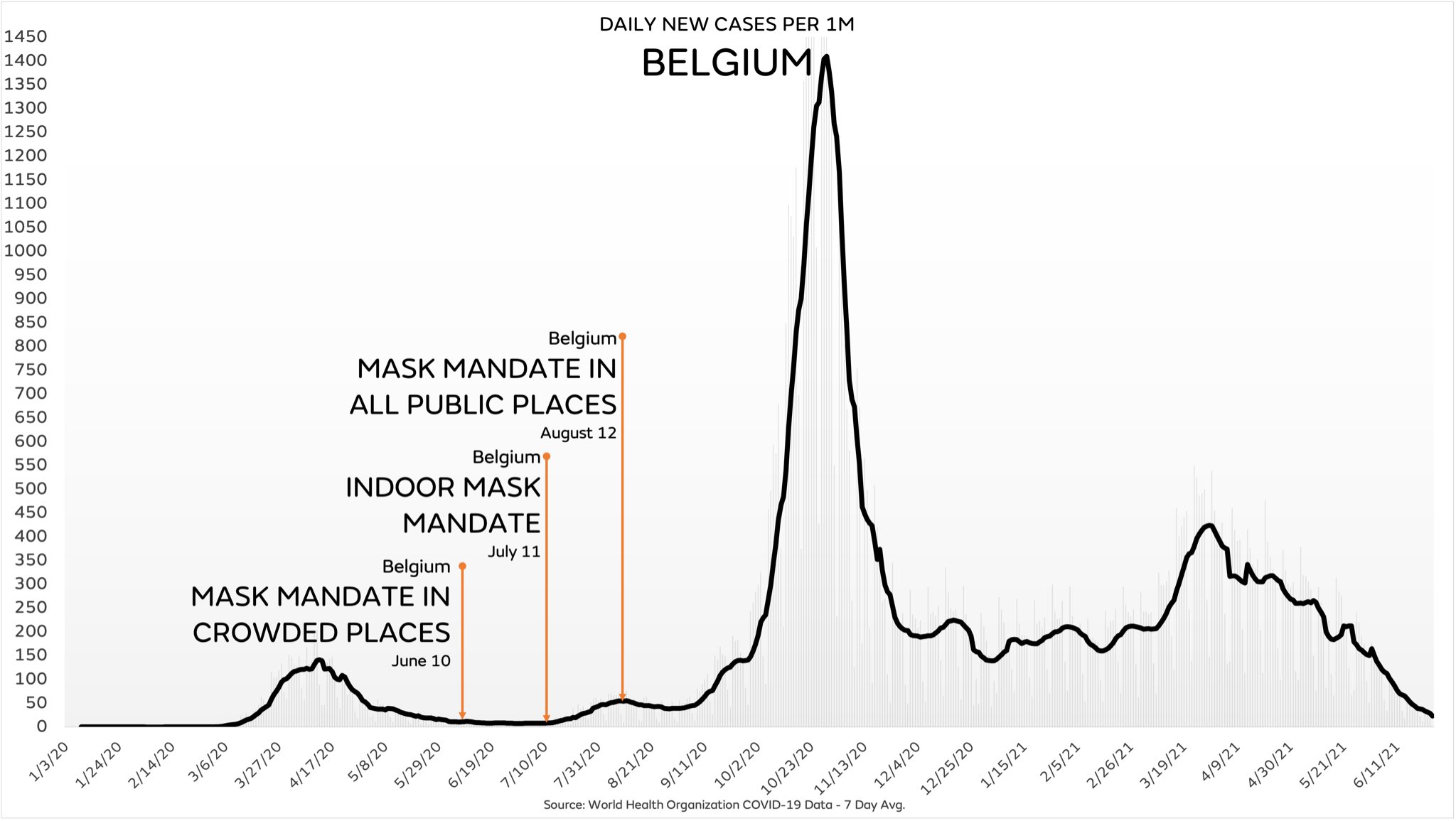
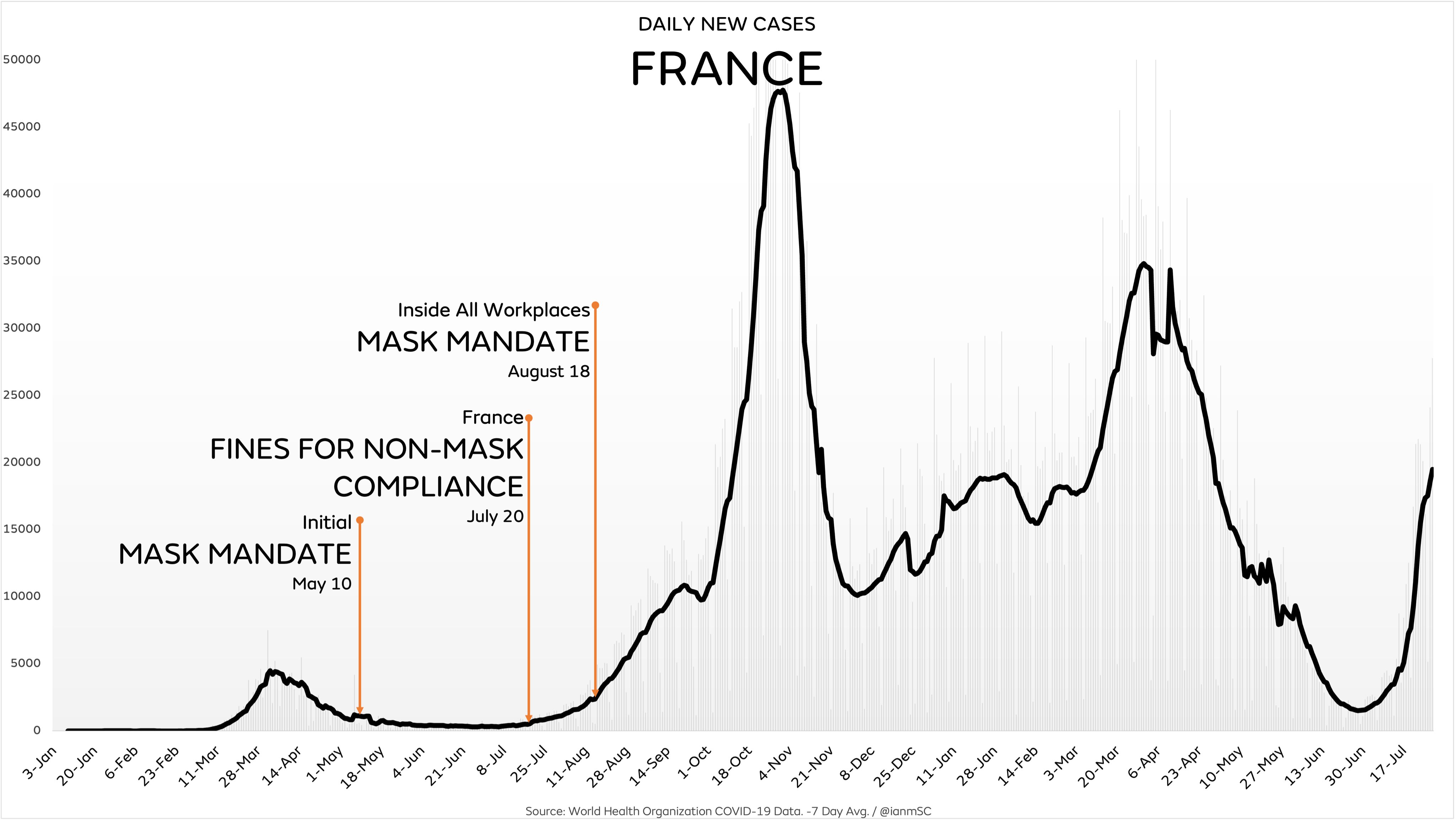
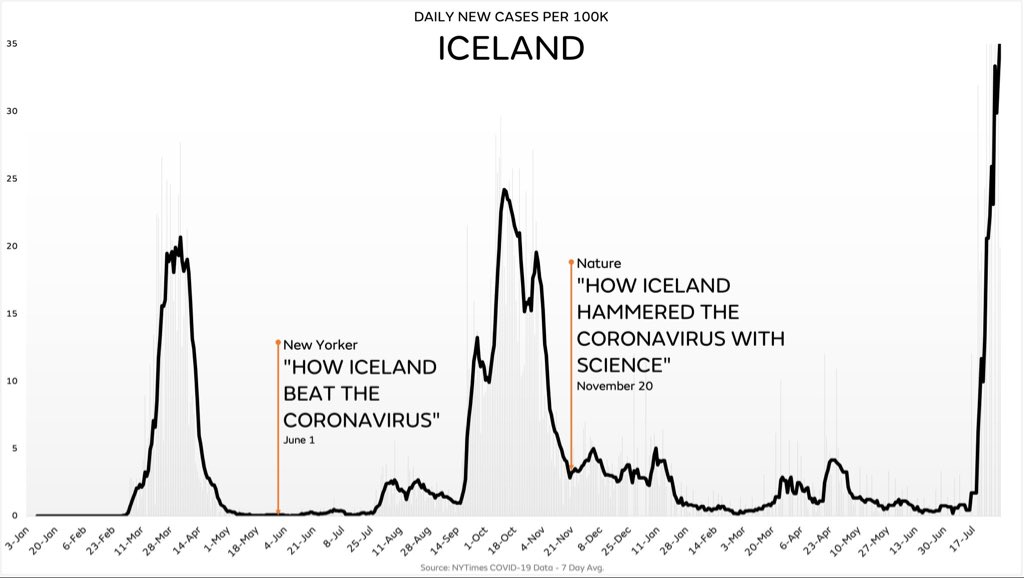
Meanwhile, US researcher Yinon Weiss has updated his charts on mask mandates and coronavirus infections in various countries and US states. The charts indicate that mask mandates have made no difference, or may even have been counterproductive.

People who want to avoid a coronavirus infection must avoid situations in which they can get infected. If they cannot avoid such situations, and if they belong to a high-risk group, they should discuss prophylactic and early treatment options with their doctor, which according to international studies may reduce the risk of severe disease and hospitalization by up to 90%.

The Danish study: Effectiveness of Adding a Mask Recommendation to Other Public Health Measures to Prevent SARS-CoV-2 Infection in Danish Mask Wearers. A Randomized Controlled Trial. AIM 2020.

.

Coronavirus Covid-19 Research History – Index

.

Specific Issues Index

from Creating Better World

Posted in coronavirus, Covid-19, pandemic | Tagged , , , , , , | Leave a comment

The Face Mask Folly in Retrospect

The Face Mask Folly in Retrospect

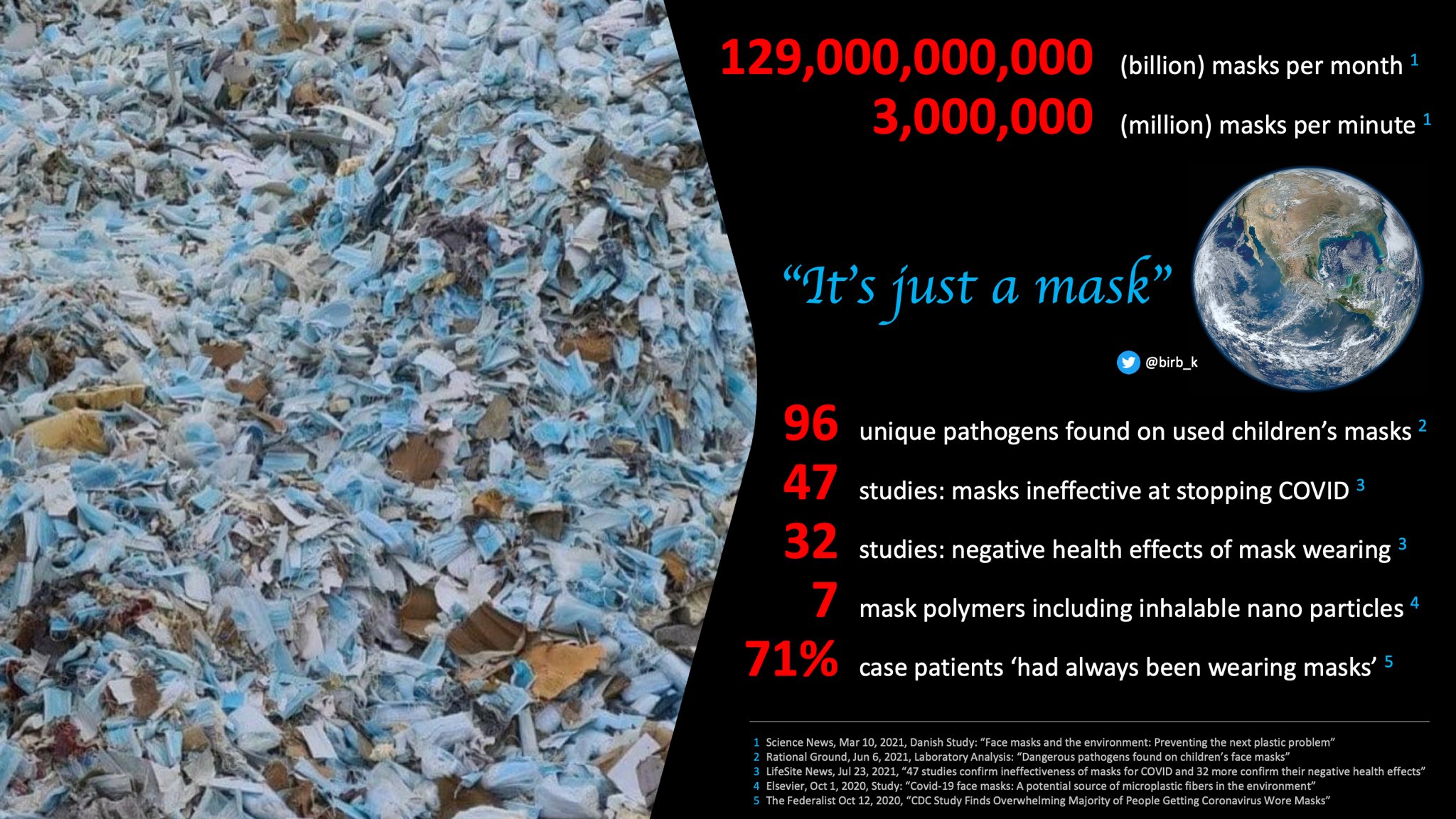
“It’s just a mask”: Global impact of the face mask folly (K. Birb)

Published: August 2021 (upd.)
Share onTG / TW / FB
Select LanguageCzechDutchEnglishFrenchGermanGreekHebrewHungarianItalianJapaneseKoreanPolishPortugueseRussianSpanishSwedishTurkishPowered by

It has been known for decades that face masks don’t work against respiratory virus epidemics. Why has much of the world nonetheless fallen for the face mask folly? Twelve reasons.

1) The droplet model

Many health authorities have relied on the obsolete ‘droplet model’ of virus transmission. If this model were correct, face masks would indeed work. But in reality, respiratory droplets – which by definition cannot be inhaled – play almost no role in virus transmission. Instead, respiratory viruses are transmitted via much smaller aerosols, as well as, possibly, some object surfaces. Face masks don’t work against either of these transmission routes.

2) The Asian paradox

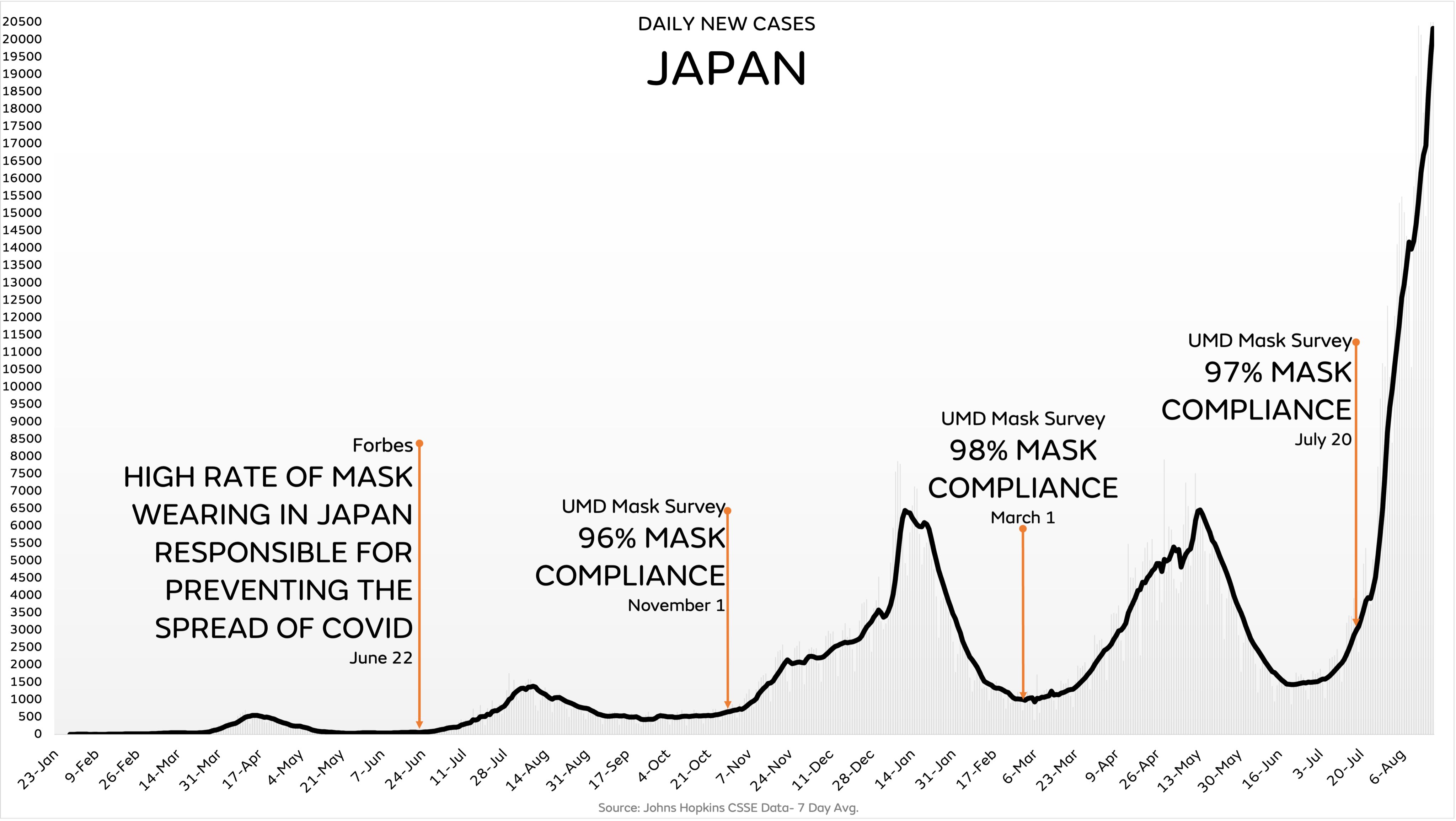
During the first year of the pandemic, several East Asian countries had a very low coronavirus infection rate, and many health experts falsely assumed that this was due to face masks. In reality, it was due to very rapid border controls in some countries neighboring China as well as a combination of metabolic and immunologic factors reducing transmission rates. Nevertheless, many East Asian countries eventually got overwhelmed by the coronavirus, too (see charts below).

3) The Czech mirage

In the spring of 2020, the Czech Republic was one of the first European countries that introduced face masks. Because the Czech infection rate initially stayed low, many health experts falsely concluded that this was due to the masks. In reality, most of Eastern Europe simply missed the first wave of the epidemic. A few months later, the Czech Republic had the highest infection rate in the world, but by then, much of the world had already introduced face mask mandates.

4) Fake science

For decades, studies have shown that face masks don’t work against respiratory virus epidemics. But with the onset of the coronavirus pandemic and increasing political pressure (see below), suddenly studies appeared claiming the opposite. In reality, these studies were a mixture of confounded observational data, unrealistic modelling and lab results, and outright fraud. The most influential fraudulent study certainly was the WHO-commissioned meta-study published in The Lancet.

5) Asymptomatic transmission

Another factor contributing to the implementation of mask mandates was the notion of ‘asymptomatic transmission’. The idea was that everybody should be wearing a mask because even people without symptoms might spread the virus. The importance of asymptomatic and pre-symptomatic transmission is still a matter of debate – up to half of all transmission might occur prior to symptom onset –, but either way, face masks simply don’t work against aerosol transmission.

6) Political pressure

Several political factors contributed to the implementation of mask mandates. First, some politicians simply wanted to “do something” against the pandemic; second, some politicians thought face masks might have a “psychological effect” and might “remind” citizens to stay cautious (if anything, it had the opposite effect: creating a ‘false sense of security’); third, some politicians used mask mandates to enforce compliance and pressure the population into accepting mass vaccination.

In addition, there was a vicious circle involving science and politics: politicians claimed to “follow the science”, but scientists followed politics. For instance, the WHO admitted that their updated mask guidelines were in response to “political lobbying”, not new evidence. The most influential lobby group was “Masks For All”, founded by a “Young Leader” of the World Economic Forum (WEF).

7) The media

Perhaps unsurprisingly, most of the ‘mass media’ amplified the fraudulent science and the political pressure driving mask mandates. Only some independent media outlets and some truly independent experts questioned the validity of the underlying evidence. However, their voices got suppressed as dubious “fact checking” organizations eagerly enforced official guidelines and throttled or censored many articles and videos critical of face masks.

8) “Surgeons wear masks”

Surgeons wear masks, so they must be effective, right? This was another notion contributing to the face mask misunderstanding. In reality, surgeons wear masks not against viruses, but against much larger bacteria, but more importantly, studies have long shown that even surgeons’ masks make no difference in terms of bacterial wound infections.

9) “Masks suppressed the flu”

“Masks suppressed the flu, so they obviously work.” This was another very common claim in favor of masks. While it is true that the flu (i.e. influenza viruses) disappeared in the spring of 2020 and remained absent throughout the coronavirus pandemic, masks had nothing to do with it.

This is evident as the flu disappeared even in states without masks, lockdowns and school closures – such as Sweden, Florida and Belarus – while the flu hadn’t disappeared during earlier flu epidemics and pandemics, despite widespread mask use (e.g. during the 2019 flu epidemic in Japan).

Instead, influenza viruses disappeared globally because they were temporarily displaced by the more infectious novel coronavirus (so-called viral interference, known from previous pandemics); for the same reason, new coronavirus variants repeatedly displaced existing variants, often within weeks. Indeed, in countries that had reached very high levels of population immunity against the coronavirus, the flu returned by summer 2021 (e.g. in India at 80% population immunity).

10) Misleading memes

To convince low-IQ social media users of the effectiveness of face masks, several unscientific memes were created. The most notorious one probably was the “peeing into your pants” meme, shared by many ‘health experts’ (really). Many of these memes exploited the fact that most people simply don’t realize how small and ubiquitous viral aerosols really are.

11) Doubling down

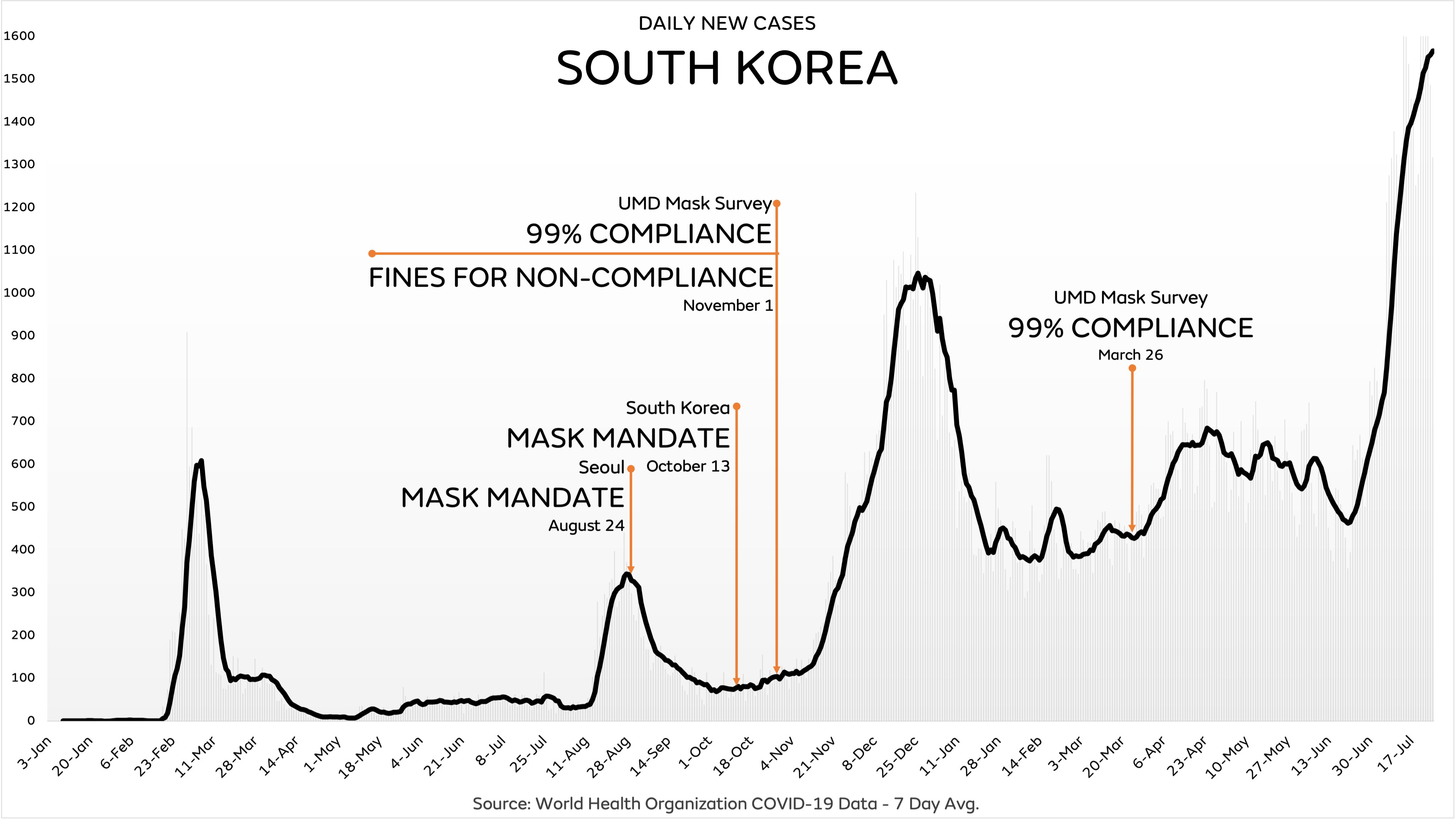
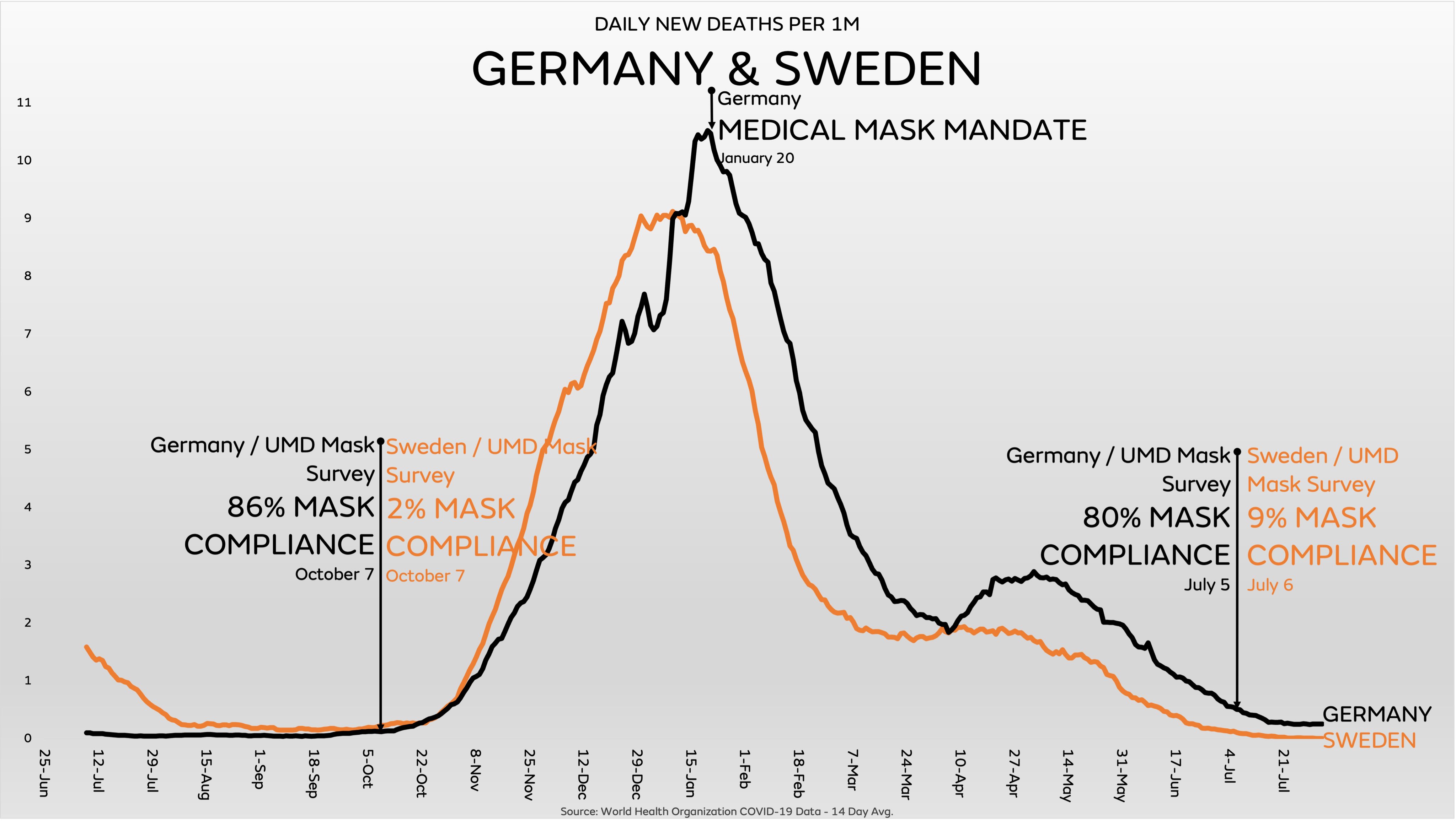
After mask mandates had been implemented globally and billions of dollars had been spent on masks, it soon became obvious – once more – that masks simply don’t work against respiratory virus epidemics (see charts below). But at that point, neither politicians, nor ‘health experts’, nor duped citizens who had to wear them for months wanted to admit this anymore.

Instead, some ‘health authorities’ doubled down and enforced outdoor masking (even on beaches), double-masking, or N95/FFP2 masking, to no avail. The one novel scientific insight produced during the coronavirus pandemic was that even N95/FFP2 mask mandates have made no difference at all.

12) Sweden: The exception that proved the rule

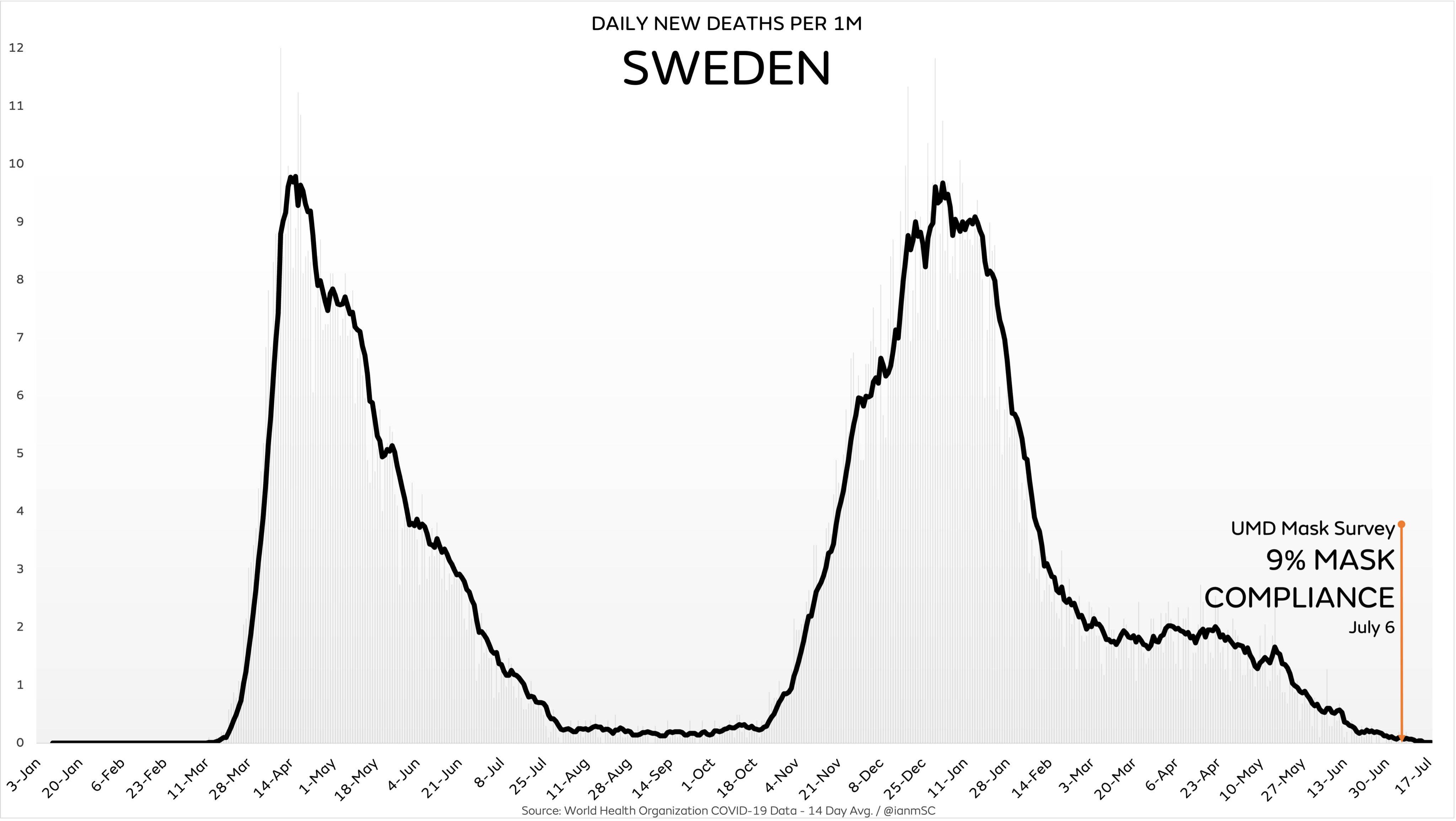
Only very few countries in the world have resisted the face mask folly. The most famous example is probably Sweden (see charts below), which has also resisted the lockdown experiment. Naturally, Swedish coronavirus mortality has remained below the European average. But the many vicious attacks against Sweden by much of the international media showed just how difficult it has been to escape the global madness and follow the real science during this bizarre pandemic.

A child wearing a mask at school (more such images)

The facemask aerosol issue

In the following short demonstration video, Dr. Theodore Noel explains the facemask aerosol issue.

How face masks and lockdowns failed

The following charts show that infections have been driven primarily by seasonal and endemic factors, whereas mask mandates and lockdowns have had no discernible impact (chartsIanMSC).

“The more masks fail, the more we need them.” (IanMSC)

You have been reading: The Face Mask Folly in Retrospect.
An analysis by Swiss Policy Research.

.

Coronavirus Covid-19 Research History – Index

.
Specific Issues Index

from Creating Better World

Posted in coronavirus, Covid-19, pandemic | Tagged , , , , , , | Leave a comment

Remdesivir: An Epidemic Failure

Remdesivir: An Epidemic Failure

Published: October 16, 2020
Share onTwitter / Facebook
Select LanguageCzechDutchEnglishFrenchGermanGreekHebrewHungarianItalianJapaneseKoreanPolishPortugueseRussianSpanishSwedishTurkishPowered by

SPR and other independent experts warned early on that the very expensive “anti-viral” drug remdesivir, produced by Gilead and promoted by the media, is a failure. Dr. Paul Marik, author of the EVMS Covid-19 Critical Care Protocol, called remdesivir a “particularly useless drug” and Gilead’s aggressive marketing campaign “Wall Street centered, not patient-centered”.

The newly published results of the global WHO Solidarity trial now confirm that remdesivir reduces neither hospital stay (time to recovery) nor mortality. But remdesivir is not just a “useless drug”, it may in fact be a dangerous one, as its liver and kidney toxicity in covid patients has been widely documented and is currently being investigated by the European Medicines Agency (EMA).

Investigative journalist Dilyana Gaytandzhieva recently revealed how Gilead paid more than $200 million to US doctors and hospitals to promote its drugs despite several hundred drug-related deaths (this is referring to Gilead’s hepatitis C drug, in particular).

Moreover, several of the fraudulent anti-HCQ studies were published by researchers linked to or paid by remdesivir producer Gilead. The WHO trial itself used toxic overdoses of HCQ, as first revealed by US doctor and biohazard expert Meryl Nass in June (the WHO trial was halted thereafter).

(Update: As the Guardian reports, Gilead knew about the negative WHO trial results since September 23, but nevertheless signed a $1 billion deal for 500,000 doses of remdesivir with the European Commission, which did not yet know about the results, on October 8.)

Based on current scientific and clinical evidence, it is best to treat high-risk covid patients as early as possible to avoid disease progression and hospitalization. For more information, see the recent video presentation on ambulatory treatment of covid by Dr. Peter McCullough.

MoreWorld’s top intensive care body advises against remdesivir (Reuters)

.

Coronavirus Covid-19 Research History – Index

.

Specific Issues Index

from Creating Better World

Posted in coronavirus, Covid-19, pandemic | Tagged , , , , , | Leave a comment

Our Species Is Being Genetically Modified

Our Species Is Being Genetically Modified. Are We Witnessing Humanity’s March Toward Extinction? Viruses Are Our Friends, Not Our Foes

by David Skripac

[MEK Note: The author has many good observations and opinions on Covid situation. However, I am not able to support his position on climate change. I will have to look more closely at some point, but I feel in many ways that a pending climate catastrophe is the reason behind the Covid situation and the responses from financial and political elites concerning Covid.]

When the alleged “pandemic” was declared in March of 2020, I, like millions of other people around the world, was paying close attention to politicians and public health officials as well as to bureaucrats from the Rockefeller Foundation-created World Health Organization (WHO), all of whom announced, in almost perfect synchronicity, “This is the new normal until a vaccine can be developed.”

How odd, I thought. Why is it that the immediate default position is a vaccine? And why is it that a single coronavirus is being blamed for causing people to fall ill in every corner of the earth? Could something else—perhaps one or more toxins in the environment—be the real culprit?

It was impossible to stop myself from asking question after question and pondering possible answers. For, if public health authorities in nearly every jurisdiction (from international healthy organizations to national health agencies to state and local health departments) on the planet were truly concerned about citizens’ well-being, then:

  • Why was it that natural immunity, which has been a key component to human health and survival for over 200,000 years, was suddenly being treated as if it didn’t exist anymore?
  • Why was no one in charge urging us to eat a healthy, nutritionally balanced, organic diet, low in sugar content?
  • Why did no one mention the importance of getting enough sleep?
  • Why were we not being encouraged to go outdoors and exercise?
  • Why was no one suggesting we increase our zinc and vitamin D intake? After all, scientists have known for over fifty years that vitamin D, either absorbed naturally from the sun or taken orally in tablet form, is extremely beneficial to the human body in many ways, especially in building a strong innate immune system.

All of the preceding points, if taken seriously, could have helped us improve our immune system and given us an opportunity to combat the negative effects of the syndrome known as COVID-19.

Even more bizarre was the fact that, from the very start of the “pandemic,” the corporate-controlled media had been continually seeking the opinion of Bill Gates, who is neither a doctor nor a scientist, on what course of action governments around the world should be taking to combat the spread of the so-called SARS-CoV-2 virus.

As two weeks of global lockdowns—allegedly “to flatten the curve”—dragged on and turned into several months of lockdowns, it became painfully obvious that none of the “public health measures”—ranging from physical distancing to masking to self-isolation—being implemented by governments around the world had anything to do with their stated purpose of keeping everyone COVID-free.

These measures did, however, perform two key roles completely unrelated to public health:

First, they were calculated from the beginning to create a polarized population. Indeed, we have been made the subjects of a social engineering experiment intended to divide humanity—thus preventing us from communicating, converging, cooperating, and rising up together against a diabolical plan designed to eradicate representative democracy, sovereign nation-states, and individual liberties.

Second, they had the intended consequence of shutting down the global economy, sending millions of people into bankruptcy, extreme poverty, and despair. The vultures devouring the dead and decaying pieces of the shattered economy are powerful financial interests—big banks and businesses and billionaires whose goal is to control every sector of the economy, including all natural resources and all public and private assets. These predators, though few in number, have wreaked the havoc requisite for them to buy—for pennies on the dollar—every possible possession in the entire world. But they are neither content to be wealthy beyond belief nor satisfied with owning everything. Rather, it seems they will not rest until they have achieved complete world domination by exploiting and enslaving all of us.

In the two years of a “pandemic”-driven panic that most of the world seems to have succumbed to, many nations have been ruled by illegal executive orders and health department guidelines, all promulgated in the name of “following the science.” What this hijacked term really means is that scared-out-of-their-wits citizens are following the worldwide mandate to believe a false narrative that lays all the blame for all the destruction on an alleged virus—a non-isolated, unpurified, computer-generated, allegedly “novel” virus. Meanwhile, the enshrined constitutional and civil rights of billions of human beings are being shredded.

Of all the thoughts that ran through my mind, the one that struck the deepest chord was the realization that a naturally occurring, helpful element in the environment was being blamed as the source of the pseudo pandemic. I understood that, just as there are “global warming” swindlers who falsify climate data and write inaccurate academic reports so they can pretend to vilify carbon dioxide (an element that generateslife on earth—the opposite of killing life!) and thus make scads of money from their scam, so are there “pandemic” gangsters who pretend to vilify another marvel of the natural world—the virus—for the same venal purpose.

I knew I must do something with my realization. That is, I had to research to prove my theory was fact, not fancy. For four solid months, I spent all my free hours reading countless articles and watching umpteen interviews. (See my acknowledgements below to find out who my main sources were.) Next, I amassed everything I had learned and wrote a four-part article. When it was published on the Global Research website, it received so many views and positive comments that the Global Research editor encouraged me to turn it into a short book.  This is that book.

My hope is that I have succeeded in deconstructing the official narrative: first, by explaining how viruses have been blanketing the earth with their genetic codes for eons, creating biodiversity and allowing for adaptation throughout the ecosystem, and, second, by pointing out the myriad ways reckless human behaviour is creating a real environmental catastrophe—not the carbon-is-the-culprit con, but actual pollution and deforestation and species extinction, to name a few such scourges. These real problems are being ignored by the fake “climate change” crowd, who hide their mercenary motives behind euphemisms like “sustainable development goals” (SDGs) and “environmental, social, and governance” benchmarks (ESGs) and florid phrases such as the “Great Reset” and “Build Back Better.”

Our Species is Being Genetically Modified

Are We Witnessing Humanity’s March toward Extinction? Viruses Are Our Friends, Not Our Foes  

Read book online Here!

.

Coronavirus Covid-19 Research History – Index

.

Specific Issues Index

from Creating Better World

Posted in coronavirus, Covid-19, pandemic | Tagged , , , , , | Leave a comment

Is Budesonide Really Effective Against Covid?

Is Budesonide Really Effective Against Covid?

Published: April 12, 2021 (upd.)
Share onTwitter / Facebook
Select LanguageCzechDutchEnglishFrenchGermanGreekHebrewHungarianItalianJapaneseKoreanPolishPortugueseRussianSpanishSwedishTurkishPowered by

Is inhaled budesonide (an asthma drug) really “90% effective” against covid? Not so fast.

First of all, two British budesonide trials, not one, have been published in recent days: the smaller Oxford trial published in the Lancet (about 70 patients receiving budesonide) and the larger PRINCIPLE trial published as a preprint (about 750 patients receiving budesonide).

In both trials, budesonide achieved no significant improvement in any “hard endpoint”: in the PRINCIPLE trial, there was no significant difference in hospitalizations, deaths, hospital assessment without admission, oxygen administration, and ICU admission. In the Oxford trial, there was no significant difference in the proportion of people and days with an oxygen saturation below 94%, PCR cycle threshold increase (i.e. viral clearance), and FluPRO-measured symptom resolution.

Instead, both trials used “soft endpoints” to claim an effect of budesonide: in the PRINCIPLE trial, the time to “self-reported recovery” was 3 days faster (11 days vs. 14 days); in the Oxford trial, the percentage of hospitalizations OR “urgent care visits” was significantly lower (2 vs. 11 persons), BUT only one person actually WAS hospitalized and required oxygen.

These “soft results” without “hard results” are best explained by a combination of the placebo effect (there was no placebo in the control group) and some suppression of covid symptoms by budesonide (a corticosteroid, which may reduce chest pain and facilitate breathing).

In the Oxford trial, people who received no treatment (and no placebo) were a bit more likely to contact a doctor, but weren’t actually worse off in terms of oxygen saturation. In the PRINCIPLE trial, people receiving budesonide “self-reported” symptom resolution a little bit earlier, but they weren’t actually better off in terms of hospitalization or ICU admission.

Both trials started in early 2020 and, therefore, strongly overestimated the severity of covid in the general population (they assumed a 20% hospitalization rate). In the Oxford trial, the median age of “patients” (participants) was just 45 years, and their initial PCR ct value was already a very high 32. In the Principle trial, at least, most “patients”  (participants) were older than 60 years.

Conclusion: The Oxford and PRINCIPLE trials showed no real benefit of budesonide in terms of hard endpoints. Their press releases were embellished and exaggerated. Moreover, both trials had financial ties to AstraZeneca, the manufacturer of budesonide.

Why did most researchers, doctors, and the media fall for it? Because ‘Oxford’, ‘Lancet’, and ‘PRINCIPLE’. The same people already fell for the fraudulent remdesiviranti-HCQ and WHO mask studies published in the Lancet and the New England Journal of Medicine.

Nevertheless, in the PRINCIPLE trial, participants receiving budesonide had a somewhat lower combined risk of hospitalization and death (8.5% vs. 10.3%), of oxygen administration (5.8% vs. 8.4%), and of ICU admission (1.2% vs. 2.2%). These differences were not statistically significant (too few events), but they might indicate a positive effect of budesonide in some patients.

Note: Patients are asked to consult a doctor.

Table: Outcomes of the PRINCIPLE trial

Principle trial of budesonide: primary and secondary outcomes (Principle trial, p. 34)

.

Coronavirus Covid-19 Research History – Index

.

Specific Issues Index

from Creating Better World

Posted in coronavirus, Covid-19, pandemic | Tagged , , , , , | Leave a comment

Severe covid: A postviral autoimmune attack

Severe covid: A postviral autoimmune attack

Autoimmunity to annexin A2 strongly predicts covid mortality (Zuniga et al)

Published: July 15, 2021
Share onTG / TW / FB
Select LanguageCzechDutchEnglishFrenchGermanGreekHebrewHungarianItalianJapaneseKoreanPolishPortugueseRussianSpanishSwedishTurkishPowered by

“Severe COVID-19 is not a viral pneumonia, but a post-viral autoimmune attack on the lung.”

Note: Patients are asked to consult a doctor.

Already in 2020, multiple studies indicated that severe covid is not just a viral pneumonia, but might be a so-called anti-phospholipid antibody syndrome (APS), i.e. an autoimmune attack against phospholipids in endothelial cells causing hypercoagulation, thrombosis, and respiratory failure.

A new study, published in the European Respiratory Journal, now seems to confirm this hypothesis. Senior author Dr David Lee concludes: “Severe COVID-19 is not a viral pneumonia, but a post-viral autoimmune attack on the lung. The target of this autoimmune attack is Annexin A2, a phospholipid-binding protein () ensuring integrity of the pulmonary vasculature and promoting lung elasticity. Antagonism of Annexin A2 would cause lung blood clots, pulmonary edema, and ARDS.”

The chart above shows how anti-Annexin A2 auto-antibodies among hospitalized covid patients strongly predict mortality. Dr. Lee concludes: “It’s time for us to fully reassess how we define the pathophysiology of COVID-19 and consider alternative explanations.” Indeed, the antiphospholipid theory may well explain why most attempts at treating hospitalized covid patients have failed.

The anti-phospholipid syndrome (APS) is already well-known from chronic auto-immune diseases, notably rheumatoid arthritis and lupus (SLE). One of the standard medications to prevent APS is, of course, hydroxychloroquine (HCQ). HCQ inhibits APS thrombotic events by inhibiting the anti-phospholipid autoimmune response (the immunomodulatory effect of HCQ) and by inhibiting platelet activation (similar to aspirin). In fact, in patients with chronic autoimmune disease, HCQ and aspirin are often used in combination to achieve optimal results.

In the highly politicized covid debate, both proponents and opponents of HCQ falsely assumed that HCQ would act as an anti-viral drug, which it does not (it also doesn’t act as a zinc ionophore, as a Spanish study showed). As a consequence of this, the design of most HCQ covid studies was misguided (or simply fake, as in the case of Surgisphere’s Lancet “study” that fooled the world).

If HCQ doesn’t act as an anti-viral drug, it cannot prevent covid infection, cannot prevent general covid symptoms (like fever or anosmia), cannot prevent covid pneumonia, and hence cannot even prevent hospitalization due to pneumonia. The only effect one can hope for is prevention of anti-phospholipid syndrome and death if HCQ is administered early enough (or as a prophylaxis). In low-risk patients, who won’t develop APS, HCQ will have no measurable effect at all.

It is far from certain that HCQ is indeed effective against covid APS, but some of the largest early treatment studies did indeed find a protective effect. For instance, a recent retrospective Iranian study with close to 30,000 participants, published in the Journal of International Immuno­pharma­cology, found a reduction in hospitalizations of 38% and a reduction in deaths of 73%. (1)

Furthermore, most covid trials studied only a single drug at a time, basically looking for a “wonder drug”, whereas in many viral and autoimmune diseases, multiple drugs have to be applied to achieve optimal results. In the case of covid, it is obvious that one should try to inhibit viral replication as well as the hyperinflammatory, autoimmune and prothrombotic response. Indeed, this is what most early treatment protocols try to achieve. Once the damage is done, it is often too late to treat.

Finally, it should be added that thrombotic and thrombocytopenic events after covid vaccinations (e.g. blood clots, strokes or bleeding) may also be due to a vaccine-induced APS response.

Notes

1) The mistaken claim that HCQ caused heart failure in covid patients has long been refuted, unless patients received toxic overdoses, as in the horrendous Oxford Recovery and WHO Solidarity trials. Moreover, unlike the older chloroquine, HCQ doesn’t cause anemia in people with favism, either.

.

Coronavirus Covid-19 Research History – Index

.

Specific Issues Index

from Creating Better World

Posted in coronavirus, Covid-19, pandemic | Tagged , , , , , , | Leave a comment

Molnupiravir: Independent studies needed

Molnupiravir: Independent studies needed

Pharmaceutical manufacturer Merck.

Updated: November 30, 2021
Published
: October 6, 2021
Share onTwitter / Facebook / Telegram
Select LanguageDutchEnglishFrenchGermanGreekHebrewHungarianItalianJapaneseKoreanPolishPortugueseRussianSpanishSwedishTurkishPowered by

Is Merck’s new antiviral covid pill a miracle drug or a cytotoxic mutagen?

(Update: Newly released data shows that Molnupiravir is a failure.)

In a recent press release, Merck writes that its new oral antiviral drug Molnupiravir reduced covid hospitalizations by about 50%, from about 14% in the control group to about 7% in the treatment group, in a phase 3 trial with about 800 participants. The study itself has not yet been published. According to press reports, Molnupiravir would cost about $700 per treatment.

The mode of action of Molnupiravir is similar to the mechanism of failed Remdesivir – so-called ‘lethal mutagenesis’, i.e. adding mutations to break RNA viral replication – but in contrast to Remdesivir, Molnupiravir is said to be resistant to the coronavirus genetic proofreading mechanism.

On the positive side, the Molnupiravir trial was designed as an early outpatient treatment study (within 5 days of symptom onset) targeting high-risk patients (over 60 or with a major risk factor, hence the high hospitalization rates). This is how it should be done. In contrast, many studies of low-cost, off-patent repurposed drugs were done in hospitalized patients or included young and healthy patients, making it almost impossible to achieve statistically significant results.

On the negative side, no matter what Merck may claim, the active form of Molnupiravir (EIDD-2801) has been shown to have mutagenic properties, which may cause DNA damage during DNA replication and, thus, potentially increase the risk of cancer or birth defects. Indeed, during and after Merck’s Molnupiravir trial, participants had to “abstain from heterosexual intercourse”.

This is the reason why the original developer, PharmaAsset, stopped development of the drug almost 20 years ago. For the same reason, the former head of the US Biomedical Advanced Research and Development Authority (BARDA), Rick Bright, denied funding to the trial of Molnupiravir back in April 2020; in response, Bright got fired by the US Health Department and went public with a complaint.

Ironically, while Merck is claiming, without published evidence, that its novel, high-priced and potentially mutagenic drug is “safe”, back in February, the same Merck claimed, also without evidence, that its off-patent, low-price and well-established drug Ivermectin may not be safe.

As usual, most media and many ‘health experts’ simply took the recent Merck press release at face value and got enthusiastic about the new experimental drug (“game changer”), despite the fact that both Remdesivir in 2020 and Oseltamivir (Tamiflu) in 2009 (during the fake “swine flu pandemic”) turned out to be useless or even toxic multi-billion dollar “failures”. Indeed, Tamiflu manufacturer Roche is still facing a $1.5 billion lawsuit over false claims concerning the drug’s effectiveness.

Back in 2007, Merck itself was sued by about 50,000 people over strokes and heart attacks caused by its FDA-approved arthritis drug Vioxx; Merck ultimately had to pay damages of close to $5 billion.

Thus, to truly ascertain the effectiveness and safety of Merck’s novel Molnupiravir anti-covid drug, independent studies are required. Of course, such studies are very unlikely to happen in the near future. Instead, governments will simply stock up on the drug for billions of dollars.

UpdateMerck’s Covid Pill Could Pose Serious Risks, Scientists Warn (Barron’s), Molnupiravir worsens COVID-19, re-analysis shows

.

Coronavirus Covid-19 Research History – Index

.

Specific Issues Index

from Creating Better World

Posted in coronavirus, Covid-19, pandemic | Tagged , , , , , , | Leave a comment

New Laws Make It Harder to Be a Bad Cop In CA

New Laws Make It Harder To Be A Bad Cop In CA

Senate Bill 2, a new law passed in September & signed by Gov. Newsom establishes a Commission on Peace Officers Standards & Training to review local investigations into allegations of police misbehavior, may recommend suspending or revoking an officer’s license. It will also have the power to instigate further investigations or police behavior and recommend disciplinary action. The Commission will be composed of 2 police representatives & 6 members of the community and an attorney, if deemed useful. Very powerful California police unions lobbied against the bill. This bill will make it harder for a cop to be discharged in one jurisdiction and just get another police position somewhere else. California is no longer one of four states without a police decertification process.

Police Decertification Law

Assembly Bill 89 raises the minimum age of newly hired officers from 18 to 21.

Assembly Bill 490 prohibits choke-holds and other dangerous restraint techniques.

Senate Bill 16 expands public access to police misconduct records.

“George Floyd’s Law”, Assembly Bill 26, requires police to intervene in situations where other cops are using excessive force. It requires reporting of uses of excessive force.

.

Police Brutality Martyrs

Oscar Grant Committee

Police/Military State

.

Specific Issues Index

from Creating Better World

Posted in Oscar Grant Committee, police brutality, police brutality victims, police reform | Tagged , , , , , , , , | Leave a comment

Covid and Anti-Androgens

Covid and Anti-Androgens

Proxalutamide: Hospitalization rate in male covid patients reduced by 91% (McCoy et al)

Published: June 24, 2021
Select LanguageDutchEnglishFrenchGermanGreekHebrewHungarianItalianJapaneseKoreanPolishPortugueseRussianSpanishSwedishTurkishPowered by

Anti-androgens have shown promising results in Brazilian randomized controlled trials.

Note: No medical advice. Patients are asked to consult a doctor.

Back in April 2020, it was discovered that SARS-CoV-2 relies on the cellular TMPRSS2 protease as a co-receptor to gain entry into cells. The cellular expression of TMPRSS2 is driven by androgens (i.e. male sexual hormones), which may help explain why covid tends to be more severe in males compared to females and also more severe in adults compared to children.

TMPRSS2 can be targeted directly (e.g. by bromhexine and camostat), or indirectly, by using anti-androgen drugs. Bromhexine, a prescription-free cough medication, has shown promising results in several small trials and is already part of the SPR covid early treatment protocol.

In addition, it was noticed early on – during the first wave in Italy – that men receiving anti-androgen therapy – typically used against prostate cancer or hair loss – were at a much lower age-adjusted risk of severe covid and hospitalization. It was also found that anti-androgen drugs influence not only the TMPRSS2 co-receptor, but even the ACE2 main receptor used by SARS-CoV-2.

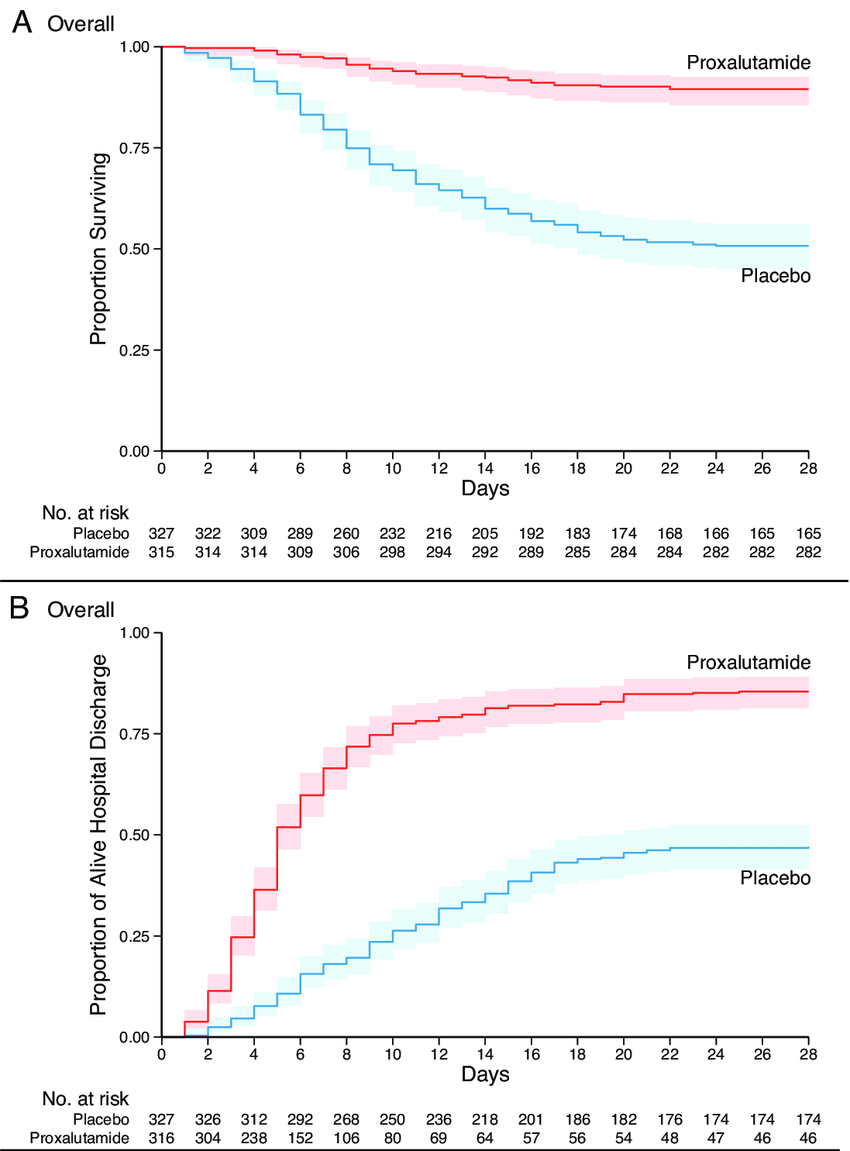
Recently, a series of multi-center, randomized, double-blinded and placebo-controlled trials by a Brazilian group found that investigational anti-androgen drug proxalutamide reduced hospitalization rates in male outpatients by 91% (see chart above); reduced mortality in hospitalized patients (male and female) by 78% (see chart below); and achieved a significantly faster viral clearance.

It should be noted that so far, these studies have been published in non-major journals (one of them is currently a pre-print), and that the Chinese manufacturer of proxalutamide, as well as the Brazilian research group, have been criticized for potential conflicts of interest and other issues.

Nevertheless, if these results get confirmed by other groups using other anti-androgen drugs, health authorities and doctors treating high-risk patients, especially in regions with a low vaccination rate or if faced with vaccine breakthrough cases, may want to consider this option. Ideally, such questions should have been answered already a year – and millions of deaths — ago.

See alsoWhy coronavirus hits men harder: sex hormones offer clues (Science, June 2020)

Related: The German Association of Pharmaceutical Research Companies (VFA) has recently published a detailed overview of existing and potential anti-covid therapeutics, including anti-viral, cardiovascular, immuno-modulatory, and pulmonary drugs.

Figure: Survival rate (A) and hospital discharge rate (B) in patients treated with proxalutamide.

Proxalutamide: Survival rate and hospital discharge rate (Cadegiani et al)

Coronavirus Covid-19 Research History – Index

.

Specific Issues Index

from Creating Better World

Posted in coronavirus, Covid-19, pandemic | Tagged , , , , , , | Leave a comment